Key Takeaways
- Right Designer: Choosing the right interior designer in Singapore helps balance aesthetics, functionality, workmanship, and long-term value.
- Practical Design: Well-planned interiors maximise space efficiency while supporting everyday comfort and lifestyle needs.
- Value Growth: Thoughtful interior design can improve both the liveability and resale appeal of a Singapore home.
Interior Design in Singapore’s Urban Homes for Your Dream Home
Interior design enhances the inside of a building to create a healthier, functional, and aesthetically pleasing home. In Singapore, interior designers respond to high-density living, compact floor plans, rising property values, and the daily reality of making every square foot work harder.
Many 2-bedroom condos sit around 650–800 sq ft, while newer launch guides often place 2-bedders around 700–900 sq ft. That makes space planning more critical than in many cities. Good design is not only about beautiful designs; it is an investment in comfort, resale value, and life at home. A well-planned kitchen renovation can increase the value of a home by up to 20%.
An interior designer handles concept, space planning, technical drawings, materials, project management, and coordination. A renovation contractor executes the build, while interior decorators focus on colours, furniture, styling, and accessories. This guide covers trends, condo space strategies, 2026 renovation costs, choosing a firm, and FAQs.
Top Singapore Interior Design Trends Shaping Modern Homes
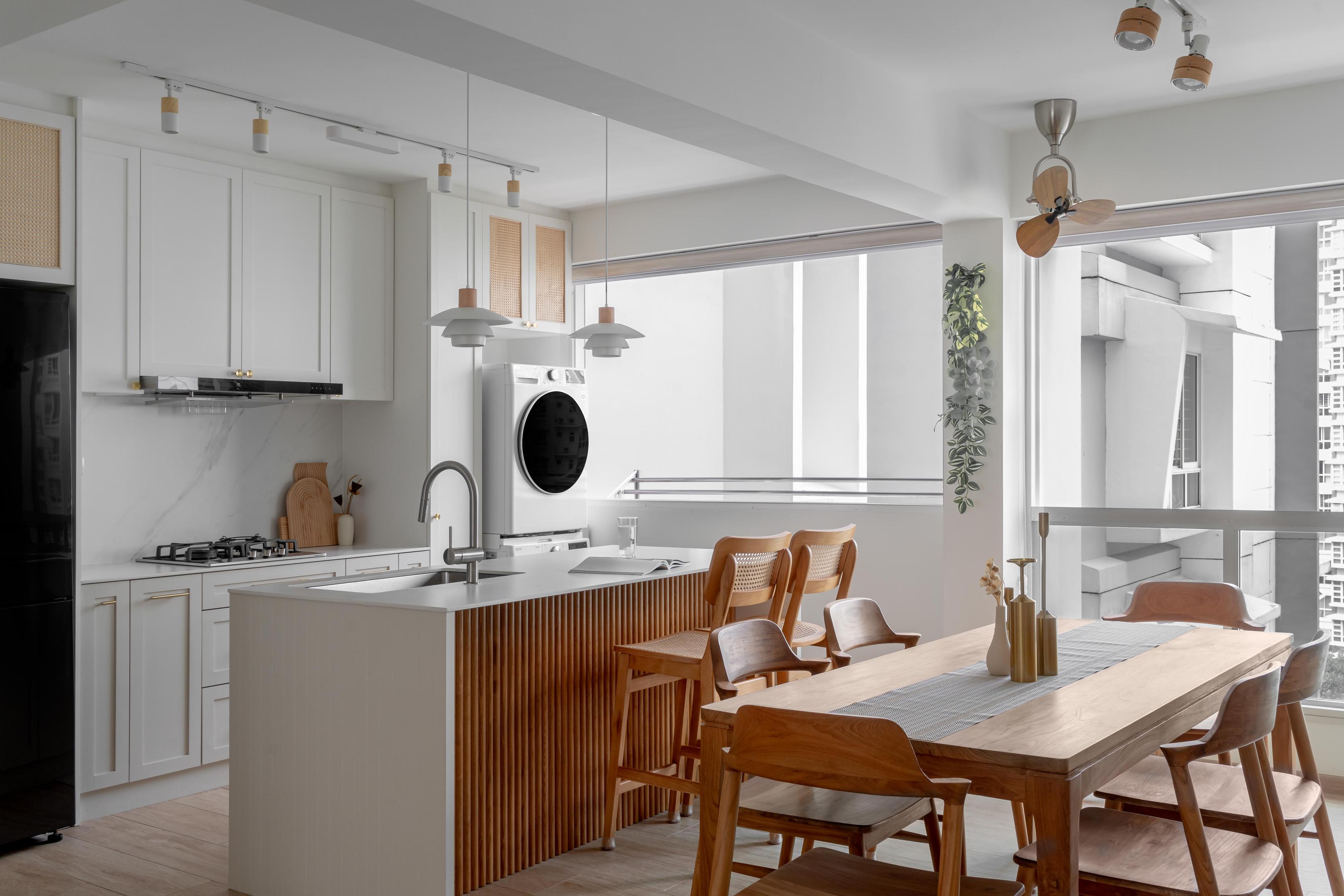
Singapore’s interior design industry blends global influences with local lifestyle needs. The latest interior design trends are less about copying a showroom and more about creating spaces that feel personal, efficient, and durable in a tropical city.
Design also depends on fundamentals. Space in design refers to the physical boundaries of a room, categorized into positive space and negative space. Positive space consists of areas filled with furniture and decor, while negative space refers to empty areas that facilitate movement. Lines guide the eye through a room; horizontal lines convey stability, while vertical lines create a sense of height. Form refers to the physical shape and volume of objects in a space, and balancing geometric and organic forms creates good design. Scale ensures that furniture size is appropriate for the room, while proportion focuses on visual harmony.
Scandinavian minimalism continues to influence interior design trends, emphasizing warmth, texture, and simplicity in home spaces. Texture adds depth and sensory richness to a space, involving visual and tactile elements. Patterns add personality and interest to a room and should vary in scale to complement each other instead of competing. Color influences human emotion, productivity, and perceptions of room size; warm colors can make large rooms feel cozy, while cool colors can create an open feel in smaller spaces.
Multi-functional furniture, such as sofa beds or extendable dining tables, is a popular strategy for optimizing space in compact apartments. Open floor plans are increasingly favored in space optimization, as they create a sense of spaciousness and allow for flexible furniture arrangements. Smart home integration, including lighting scenes, climate control, and motorized blinds, is now expected in many mid- to high-end projects.
Warm Minimalism vs. Cold Aesthetics
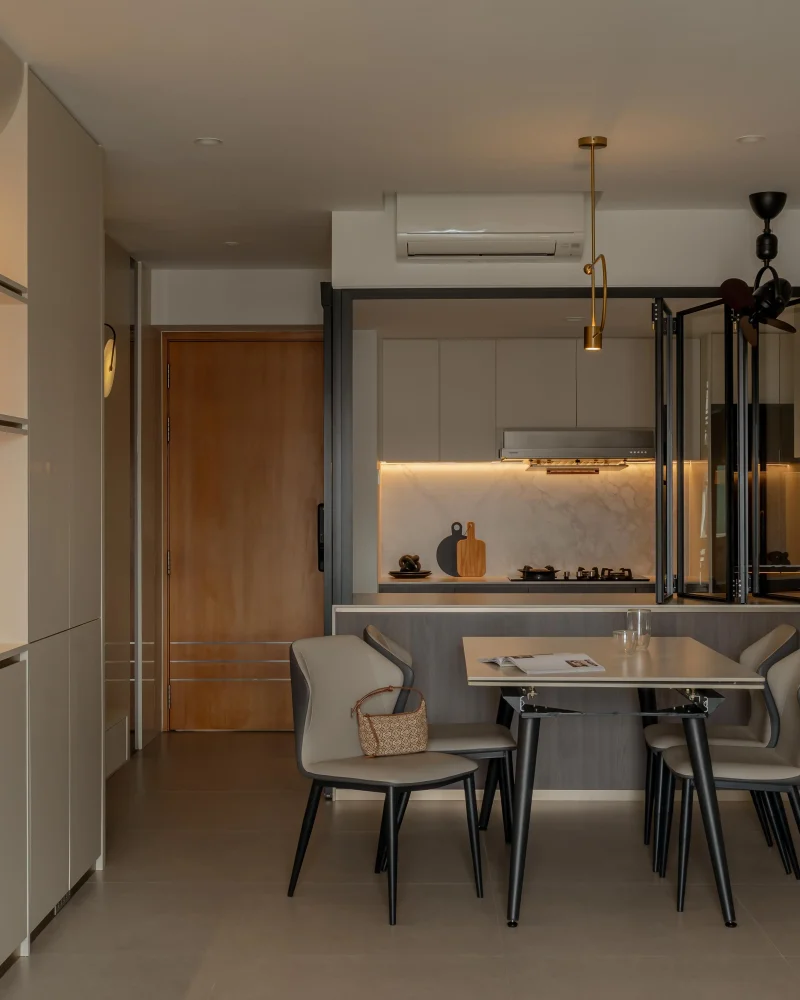
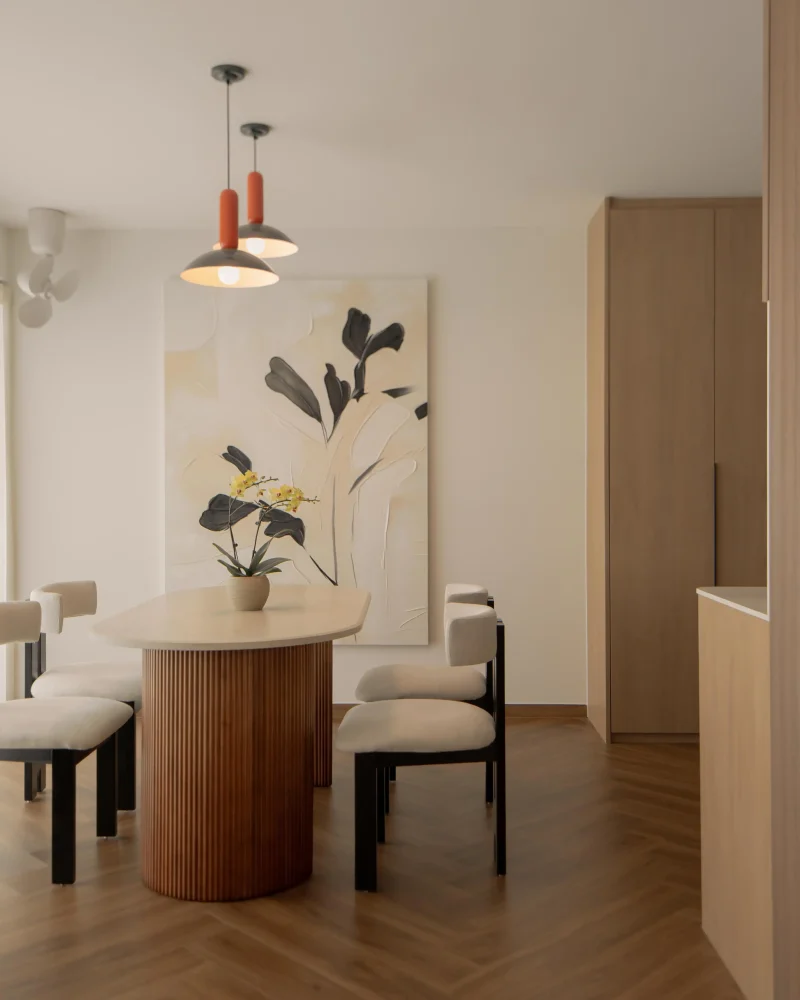
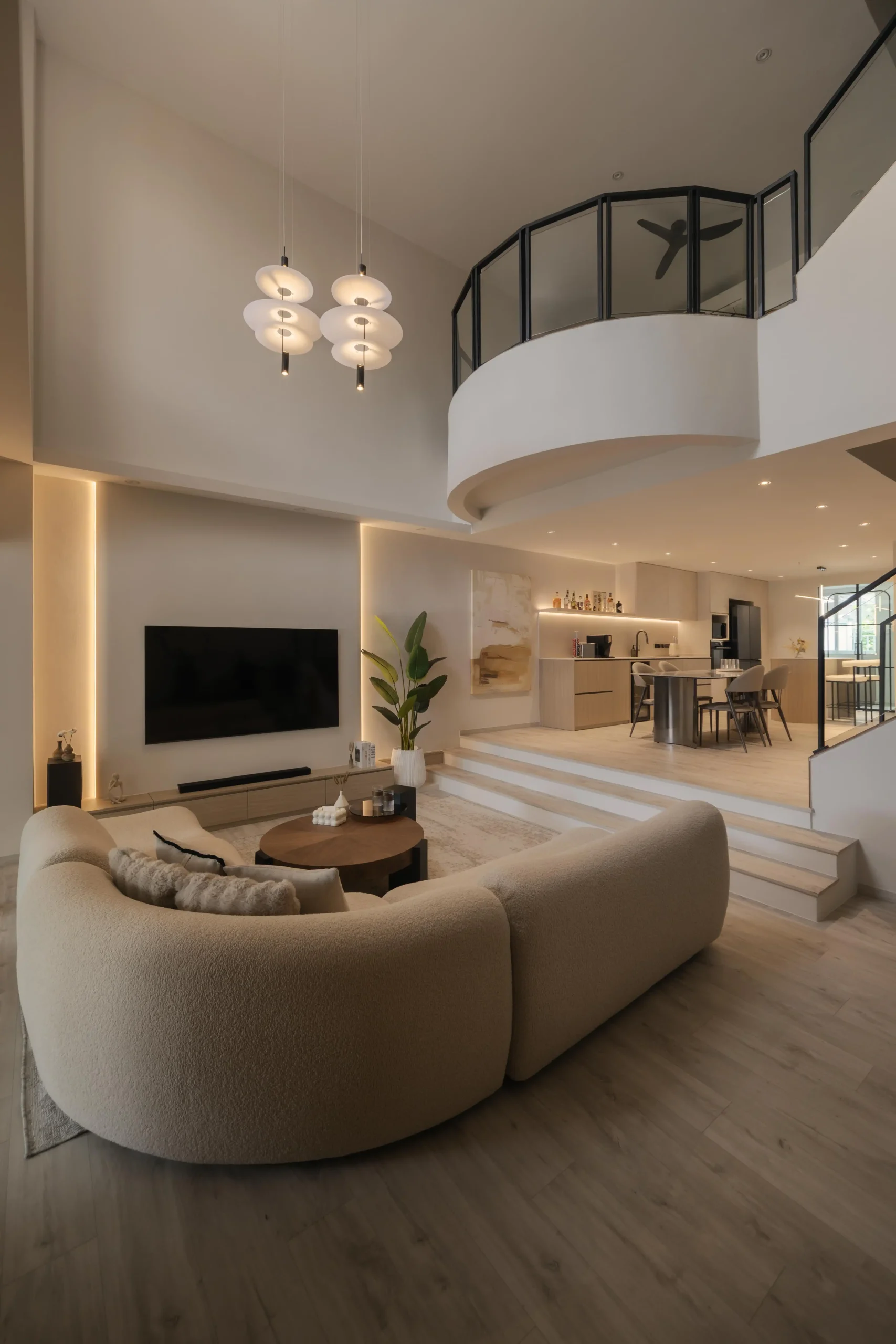
Warm minimalism replaces the cold white-box look with clean lines, earthy tones, rich wooden materials, and soft textures. Picture a stark white room with grey gloss cabinets versus a warm living room with oak panels, off-white walls, curved sofa arms, and concealed storage.
Key elements include oak or walnut finishes, muted colours, quartz countertops, engineered wood, and limited but meaningful decor. Modern luxury interior design is characterized by the integration of marble-look finishes, soft curves, and clever storage solutions, catering to both aesthetics and functionality.
This style works well for 3-room and 4-room condos where clutter control matters. The right interior designer can adapt it for specific requirements: pet-friendly fabrics, child-safe corners, or stain-resistant laminates. Interior designers specialize in making interiors look calm without making them impractical.
“Colour Drenching” in Compact Layouts
Colour drenching means painting walls, ceilings, built-ins, and trim in one tone or closely related tones. In compact layouts, it removes visual breaks and can make a room feel cohesive rather than cramped.
Examples include a 70 sq m 3-room BTO with a sage green drenched bedroom, or a 2-bedroom condo with a deep blue den or media room. Choose colours that work under Singapore’s bright daylight and warm evening light. Avoid shades that feel too hot, too dark, or oppressive in low ceilings.
Interior decorators can pair colour drenching with statement lighting, minimal accessories, and textures for a polished finish. In poorly lit corridors, use softer alternatives such as half-height paint, coloured built-ins, or a single feature wall.
Space Plans for Condominiums
Premium condo owners usually prioritize storage, flexible layouts, and clutter-free visuals. Interior design merges psychology, architecture, and spatial planning, so every detail affects how a house feels and functions.
Start with furniture scaling, circulation paths, and sightlines from entry to balcony. In smaller living spaces, such as HDB flats, utilizing vertical space through shelves and cabinets can significantly enhance storage capacity without compromising floor space. Zoning with rugs, ceiling details, or different floor finishes can separate living, dining, and work zones without adding walls.
Open shelving in kitchen designs can enhance both functionality and aesthetics, making it easier to access frequently used items while adding a decorative element. The average cost of a kitchen renovation in Singapore can range from SGD 10,000 to SGD 50,000, depending on the materials and design complexity chosen.
Seamless Built-in Storage Solutions
Built-ins are often the difference between a beautiful condo and a functional one. Full-height wardrobes, ceiling-aligned cabinetry, entry shoe cabinets, and storage benches create clean lines while reducing dust traps.
Platform beds with integrated drawers are useful in master bedrooms under 12 sq m. Feature walls can hide AV equipment, hobby storage, or a gaming setup. Bomb shelters, bay windows, and corridors can become practical storage zones with careful detailing.
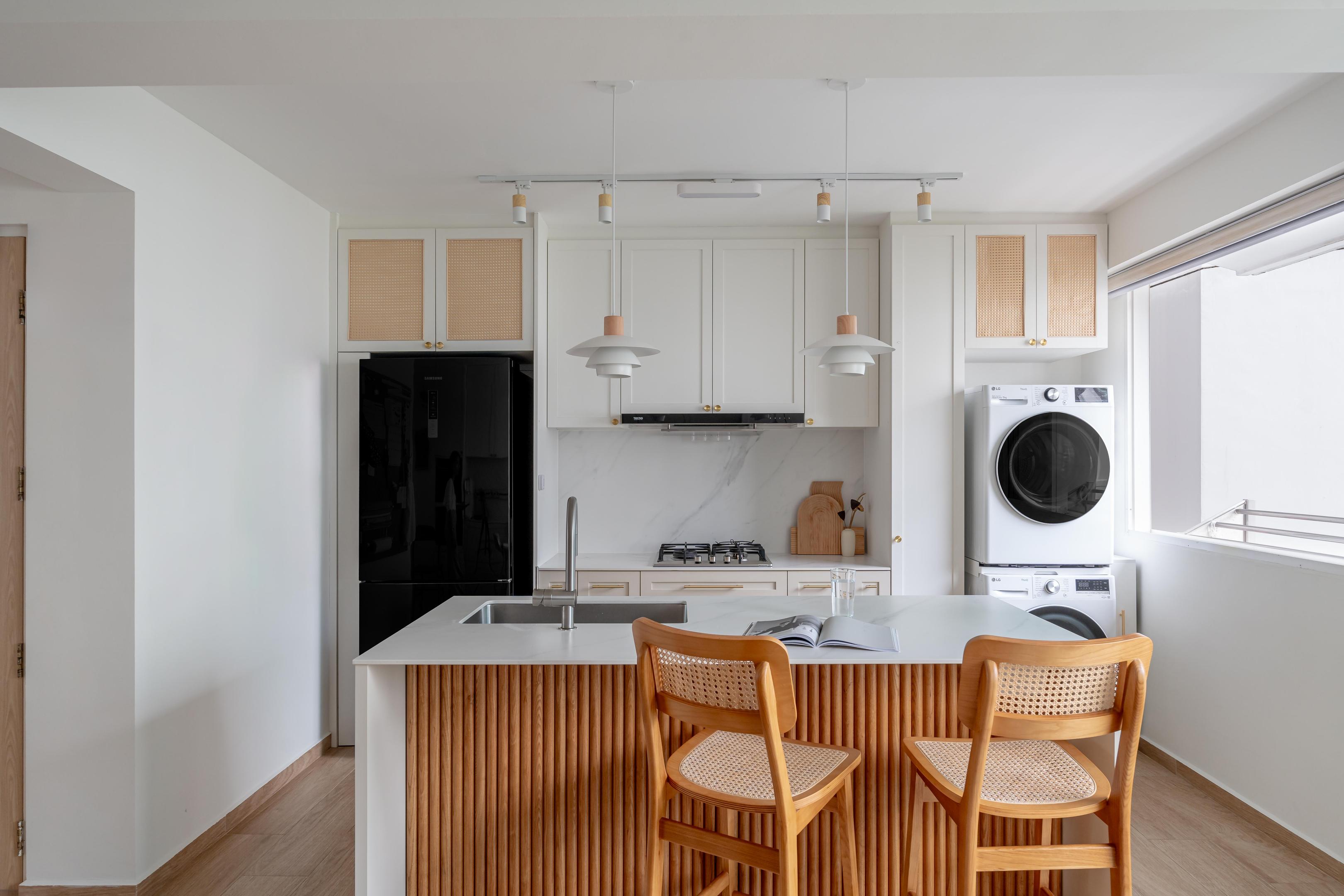
Transforming Spatial Flow with Layered Lighting
Ambient lighting provides overall brightness, task lighting is focused for specific activities, and accent lighting highlights focal points. Compact homes need all three.
Condo examples include cove lighting in living rooms, track lights over dining tables, under-cabinet LEDs in kitchens, and wall washing to visually stretch a room. Dimmers help shift from work mode to dinner mode quickly.
Smart home lighting systems can be controlled remotely via smartphones or voice-activated devices, allowing homeowners to adjust lighting settings from anywhere. Integrating smart lighting into home design can enhance energy efficiency, as many systems allow for scheduling and automation to reduce energy consumption. Smart lighting can improve home security by allowing homeowners to simulate occupancy through automated lighting schedules, deterring potential intruders.
Avoid too many downlights and harsh colour temperatures. A softer 2700–3000K light often feels more comfortable in Singapore homes.
Choosing the Right Interior Designers in Singapore
The relationship with an interior designer can last 3–9 months, so trust and communication matter. If you search “interior designer singapore,” do not choose only by pretty renders. Review the portfolio, completed projects, client feedback, and whether the company has handled your property types.
Top interior designers and interior designers in singapore should show several projects similar to yours, not just luxury showrooms or commercial spaces. Ask how Sumspace Studio build spaces around your lifestyle, budget, and daily routines.
Look for transparent pricing, detailed scope, realistic timelines, and a team that can explain the renovation process clearly. A good interior design company offers interior design services that balance creativity, quality, aesthetics, and functionality.
Singapore Interior Design FAQs
Most firms bundle services into design-and-build packages, costing S15,000–S40,000 for light condo refreshes and S80,000–S100,000+ for full 4-room resale overhauls. Premium designers may charge flat or per-square-foot fees, so always compare line items like carpentry and materials carefully.
Interior designers handle the creative concept, 3D visuals, and project management, whereas contractors focus strictly on physical execution and construction. Choose a designer for complex, hands-off projects, or a contractor if you have a tight budget and want to manage the design yourself.
Map out your floor plan to utilize dead zones, then use space-savers like multi-functional furniture, full-height cabinets, and mirrors. Keep the look open and visually decluttered by sticking to clean lines, cohesive colors, and a smart layout.
Resale units require expensive demolition labor to hack old tiles, rip out built-ins, and fix hidden plumbing or wiring issues. They also frequently need layout reconfigurations, requiring a much higher per-square-foot budget than brand-new homes.
Renovations take about 2–3 months for light condo refreshes, 3–5 months for full condo overhauls, and up to 6 months for extensive resale HDB works. Always budget extra buffer time for HDB permits, MCST approvals, and material delays.